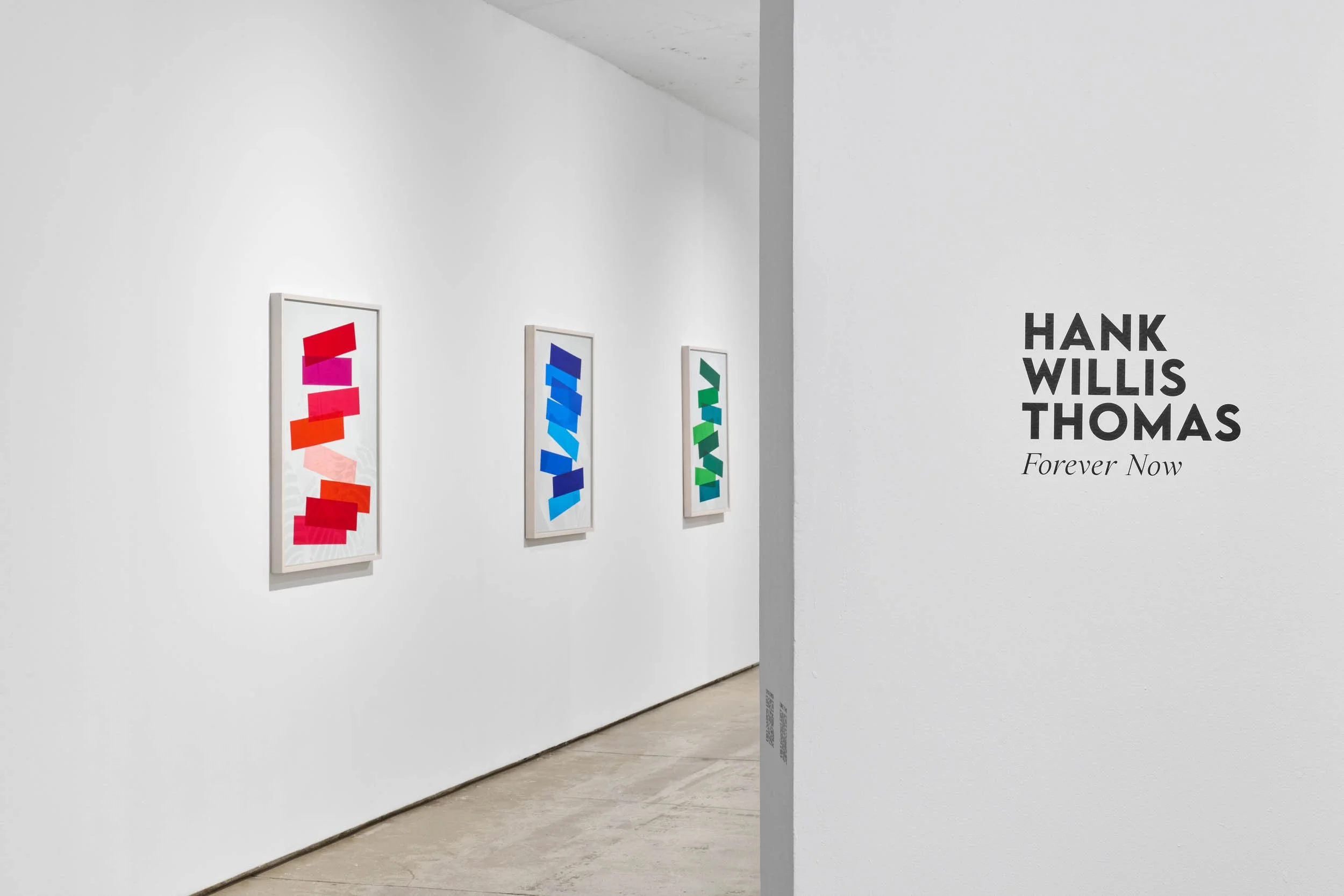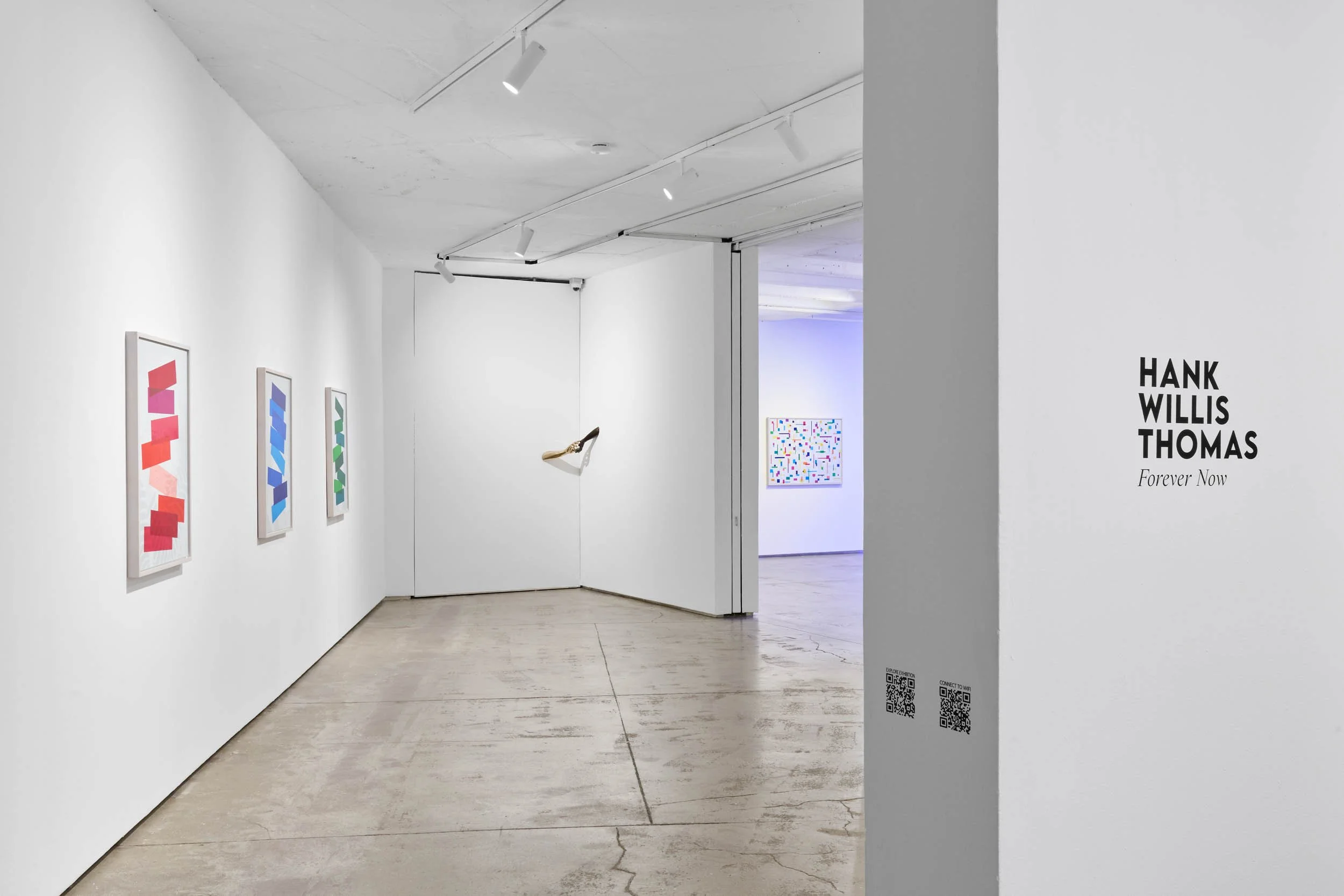
FOREVER NOW
Goodman Gallery | Johannesburg, South Africa
January 31 - March 7, 2026
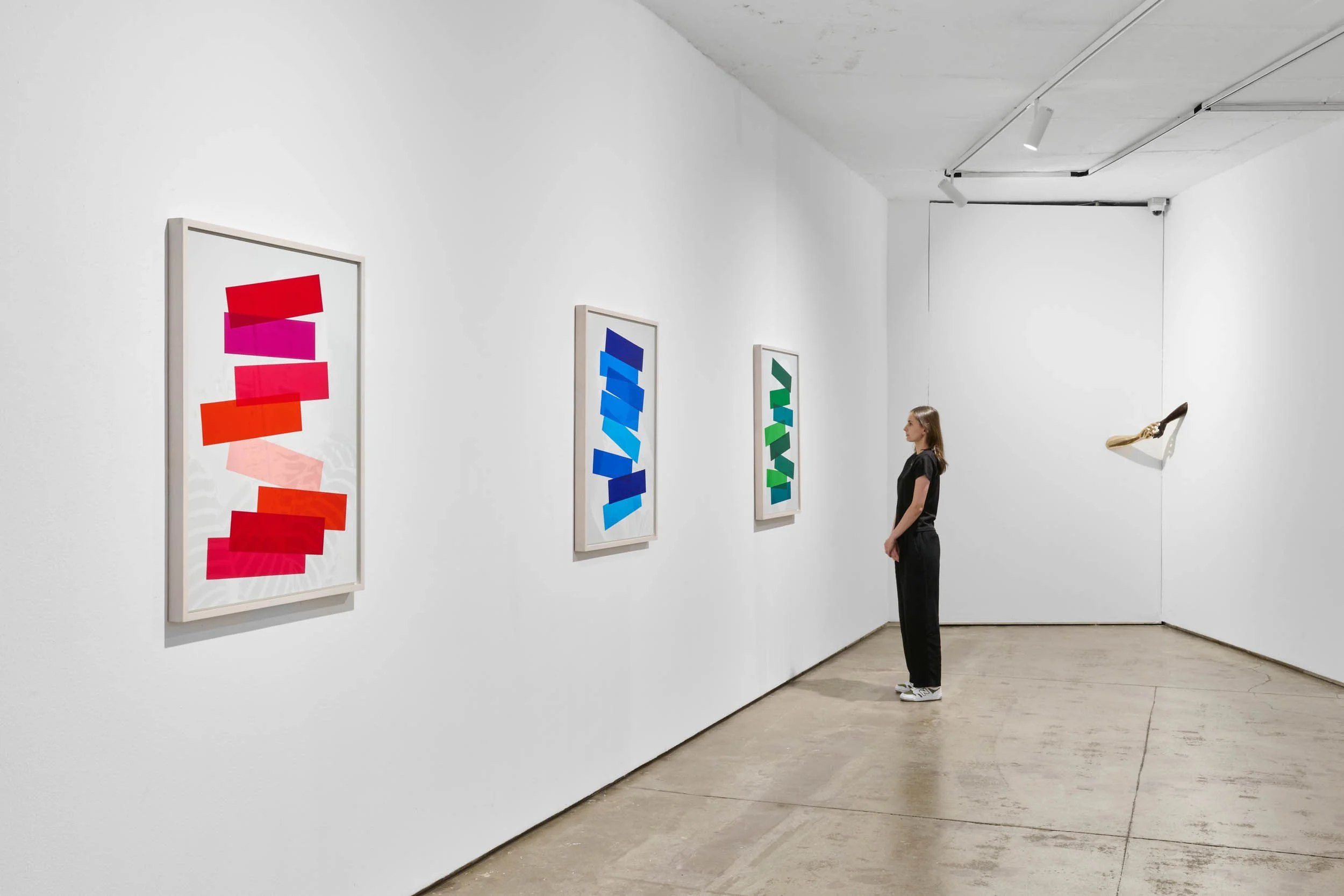
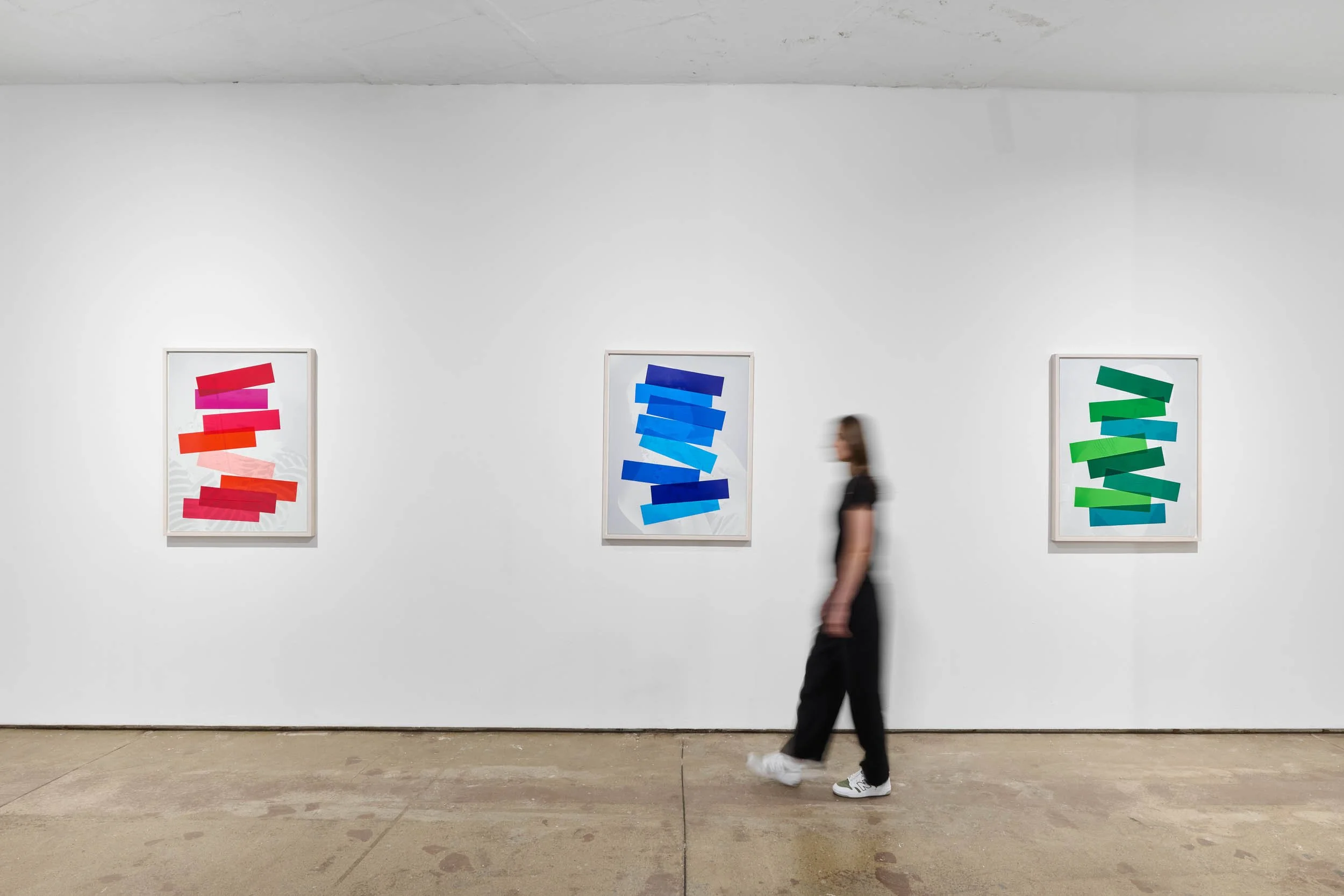
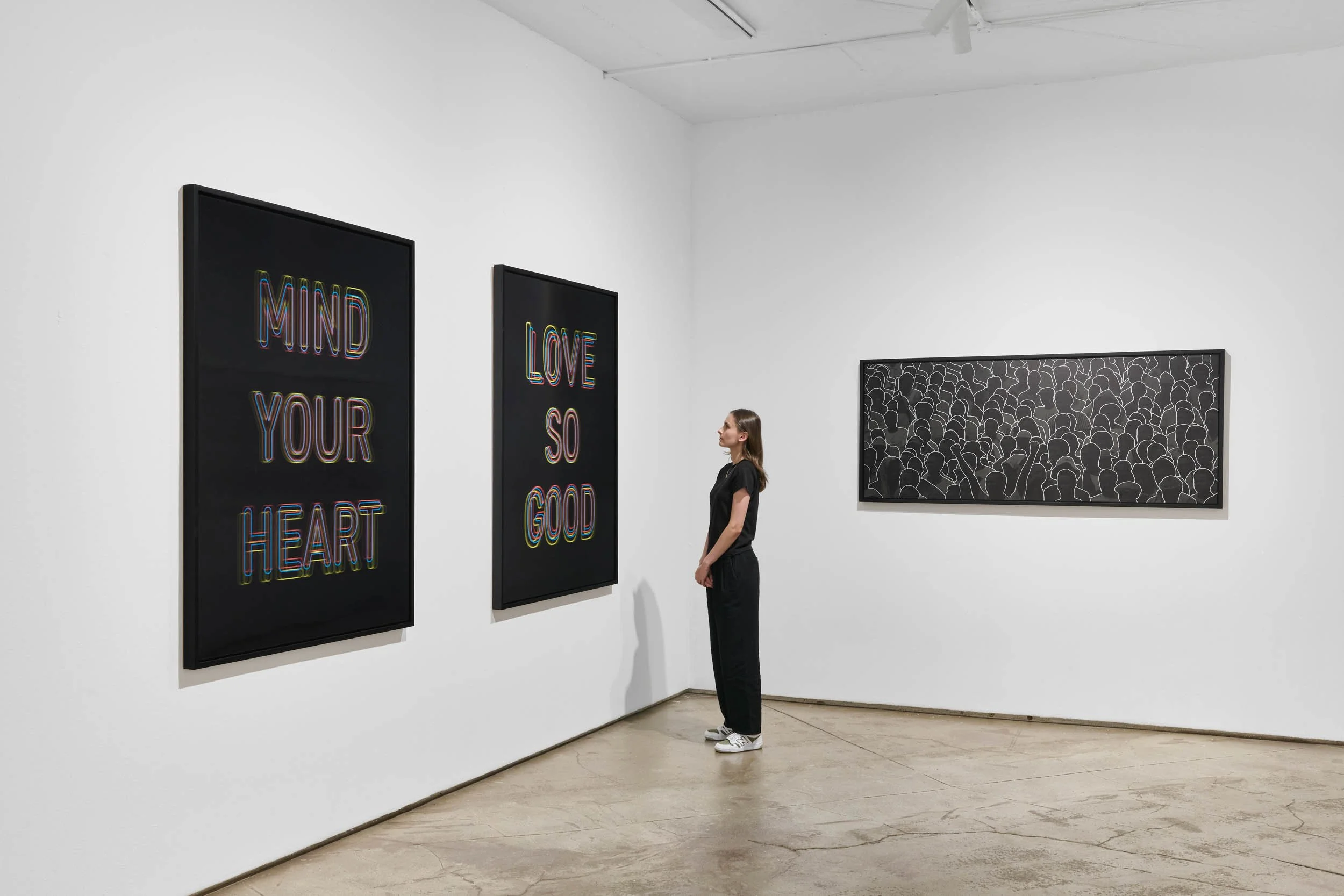
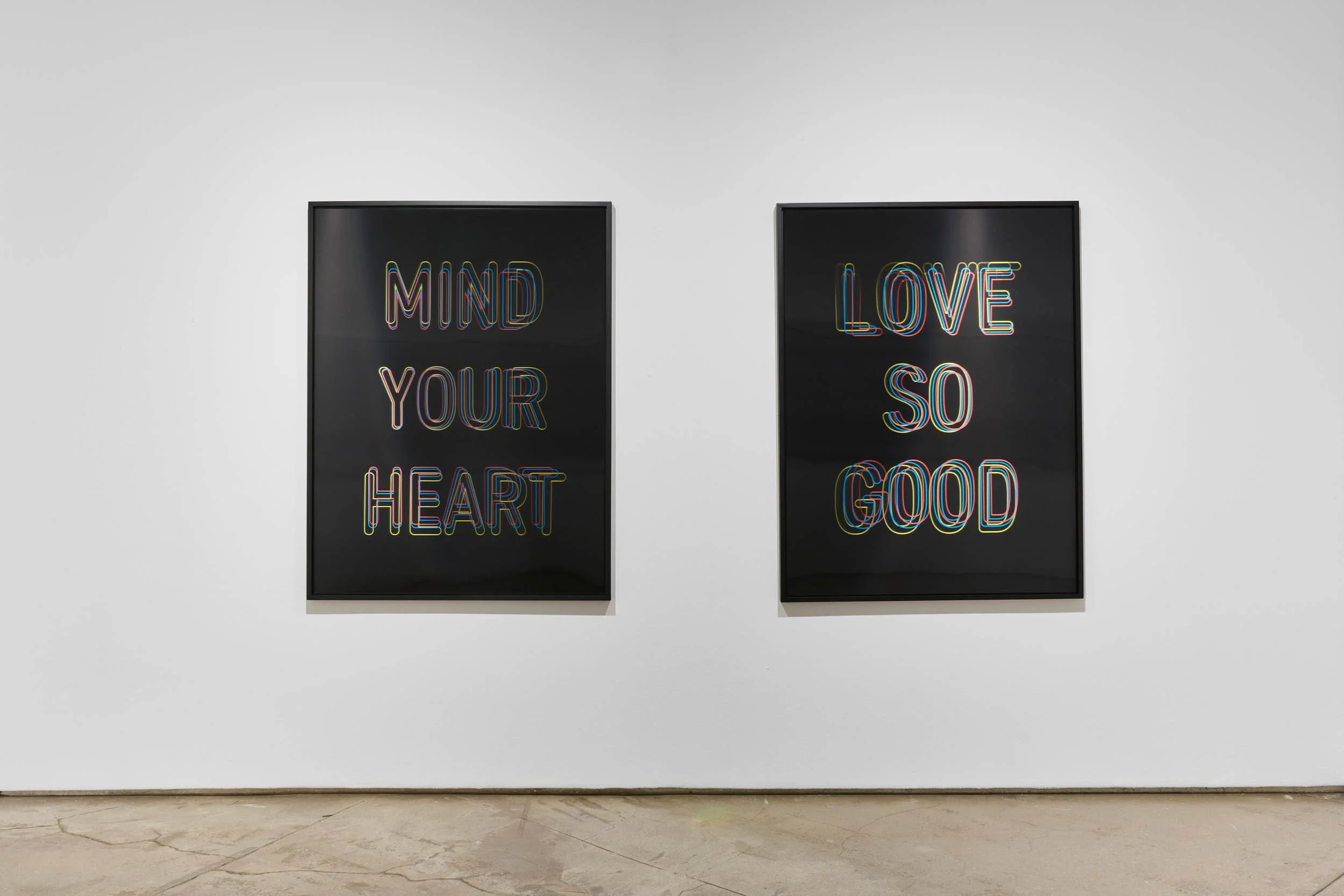
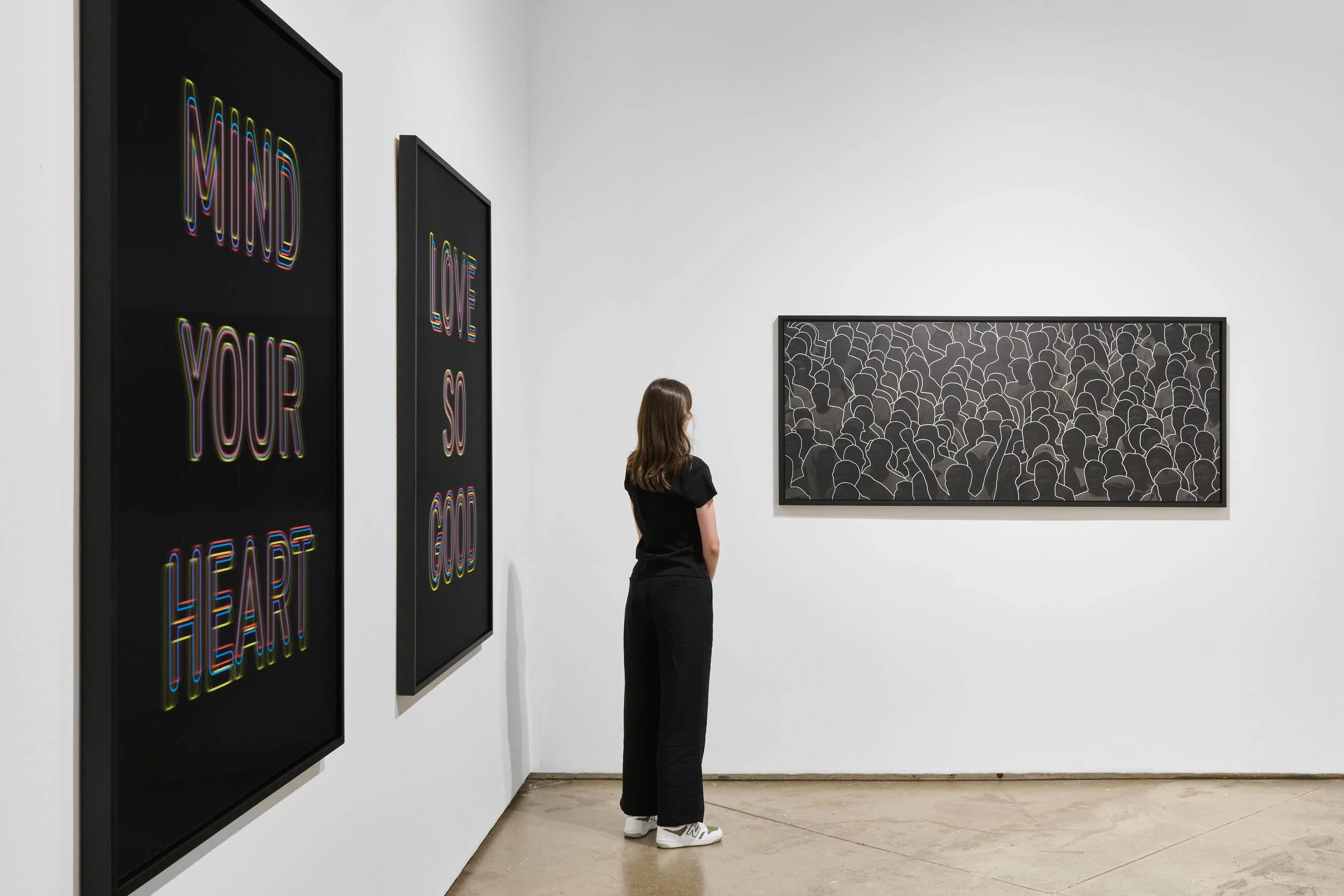
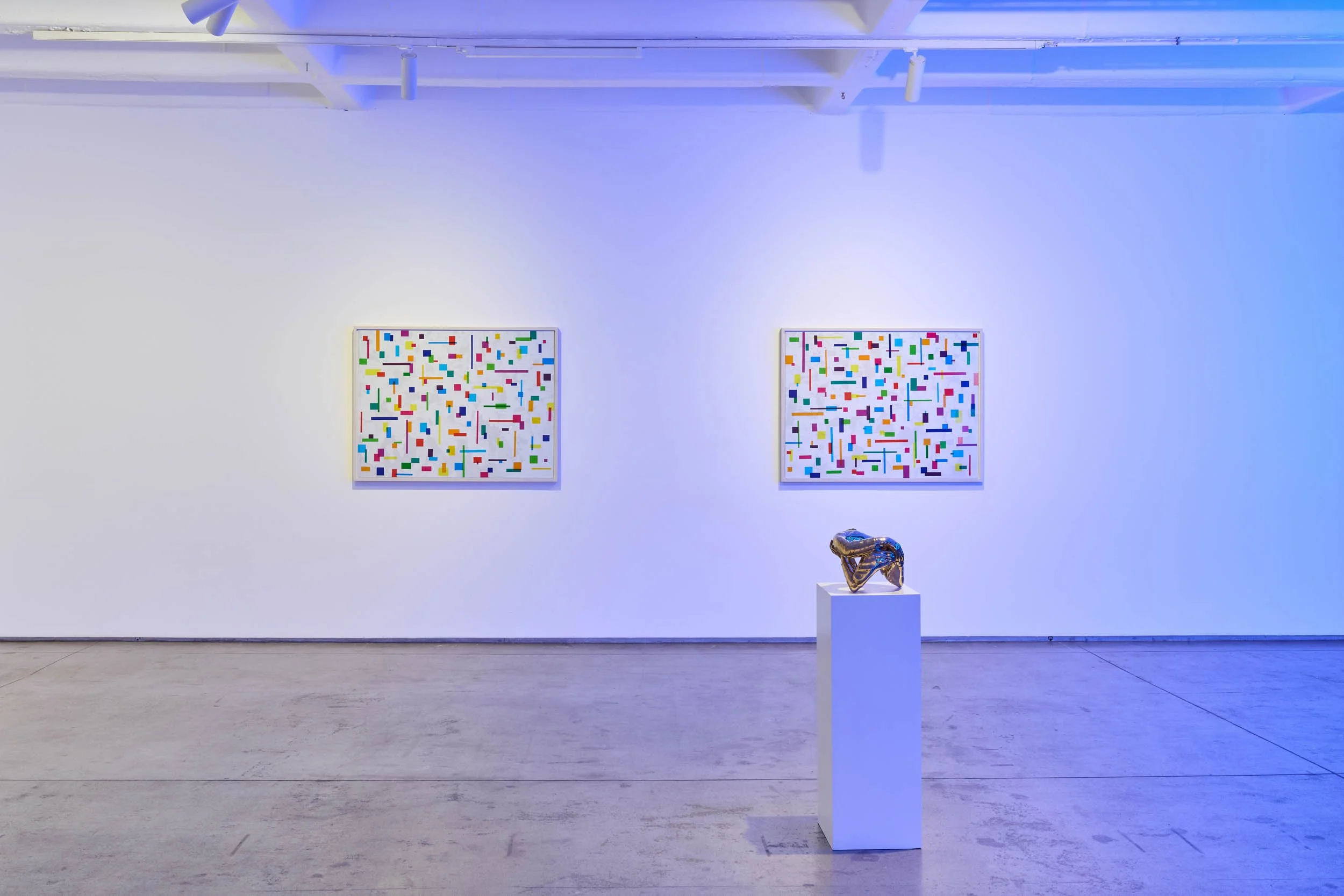
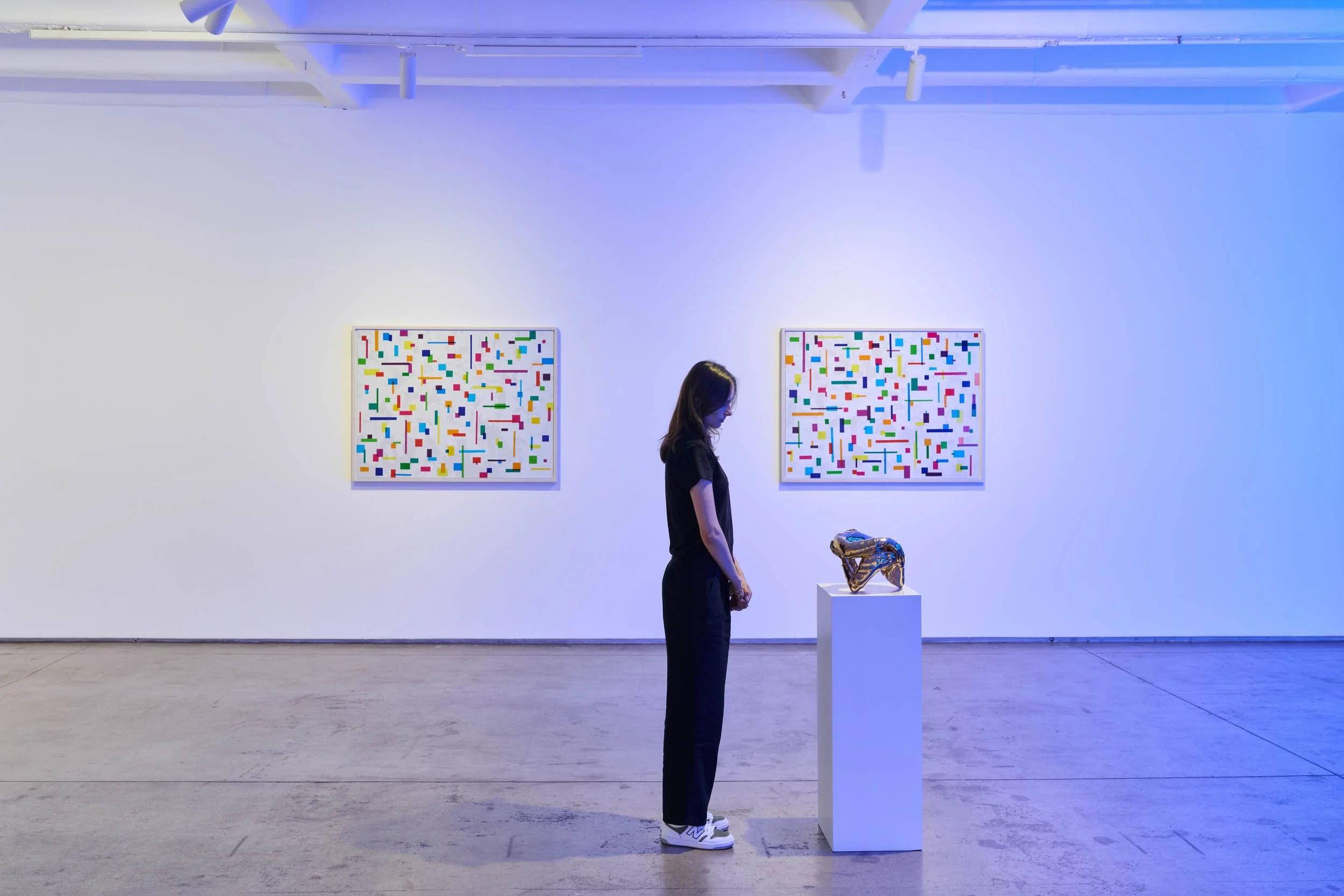
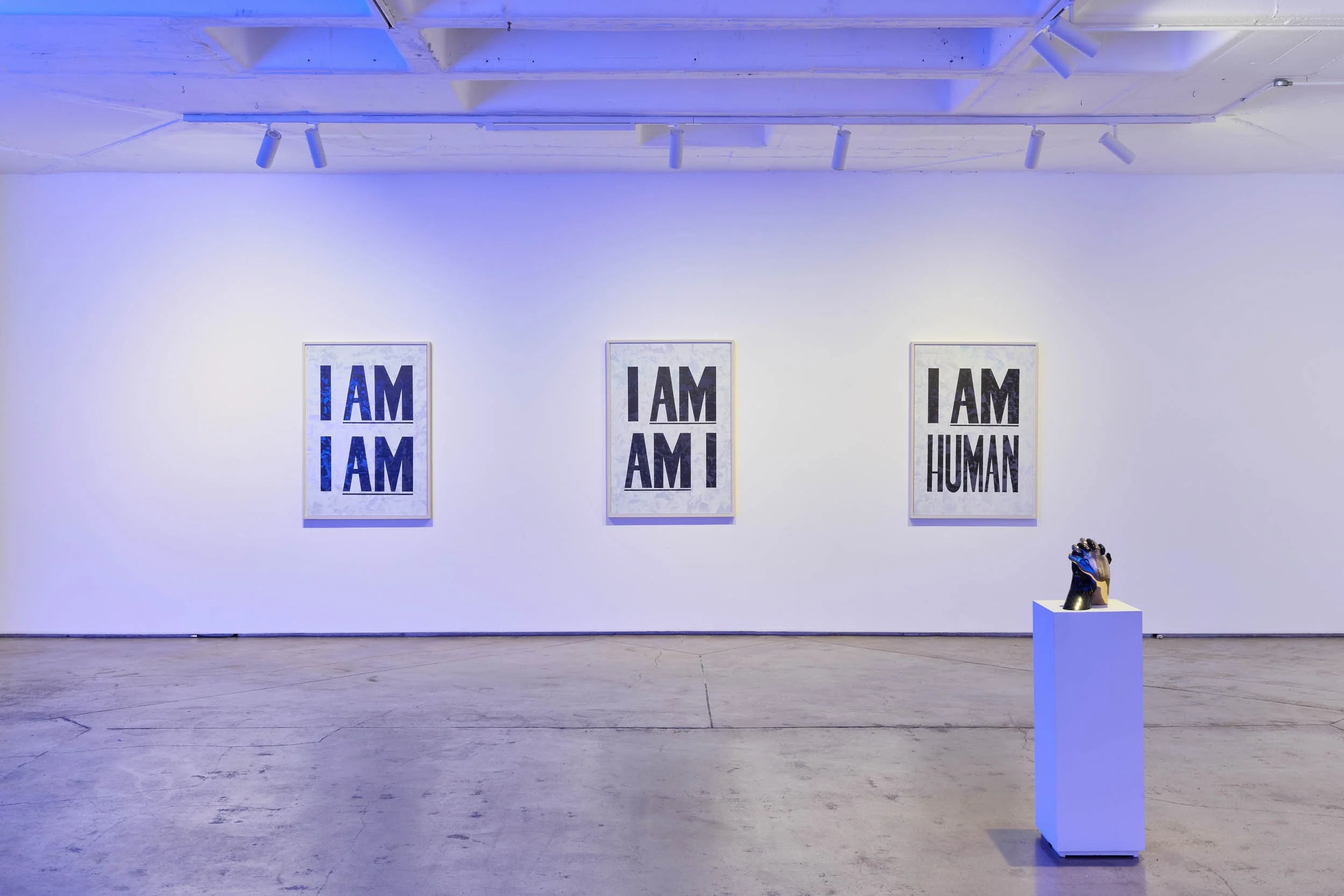
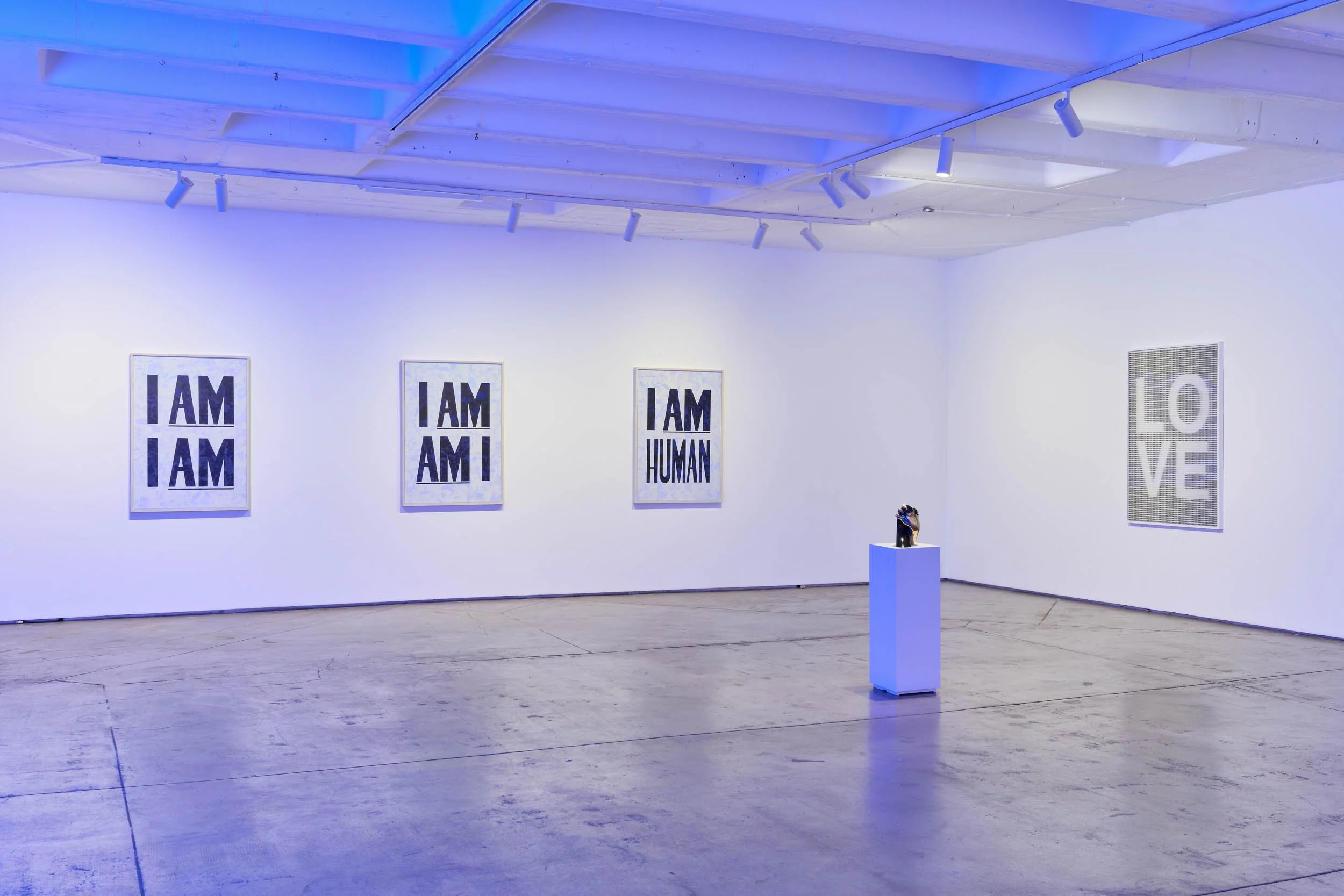
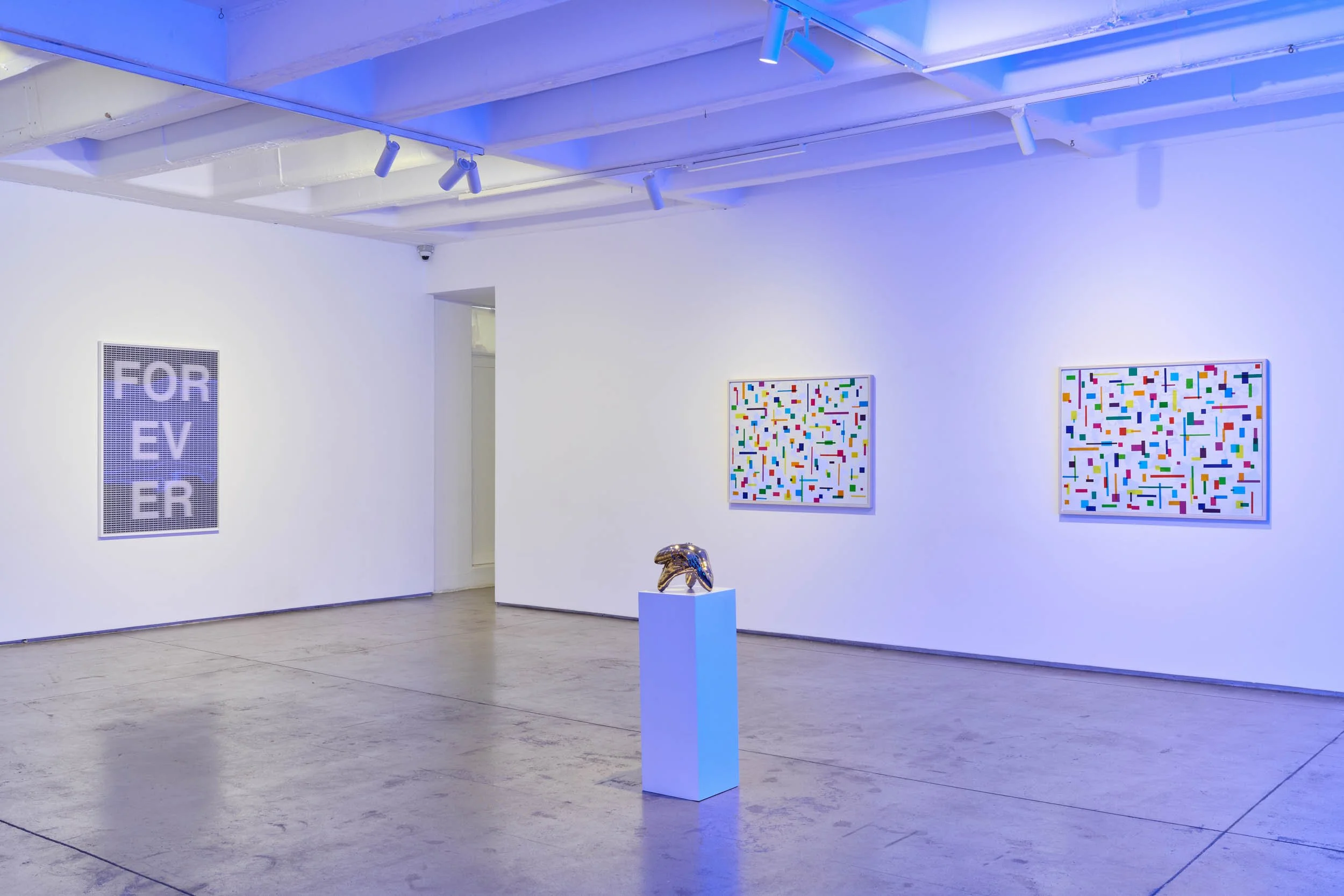
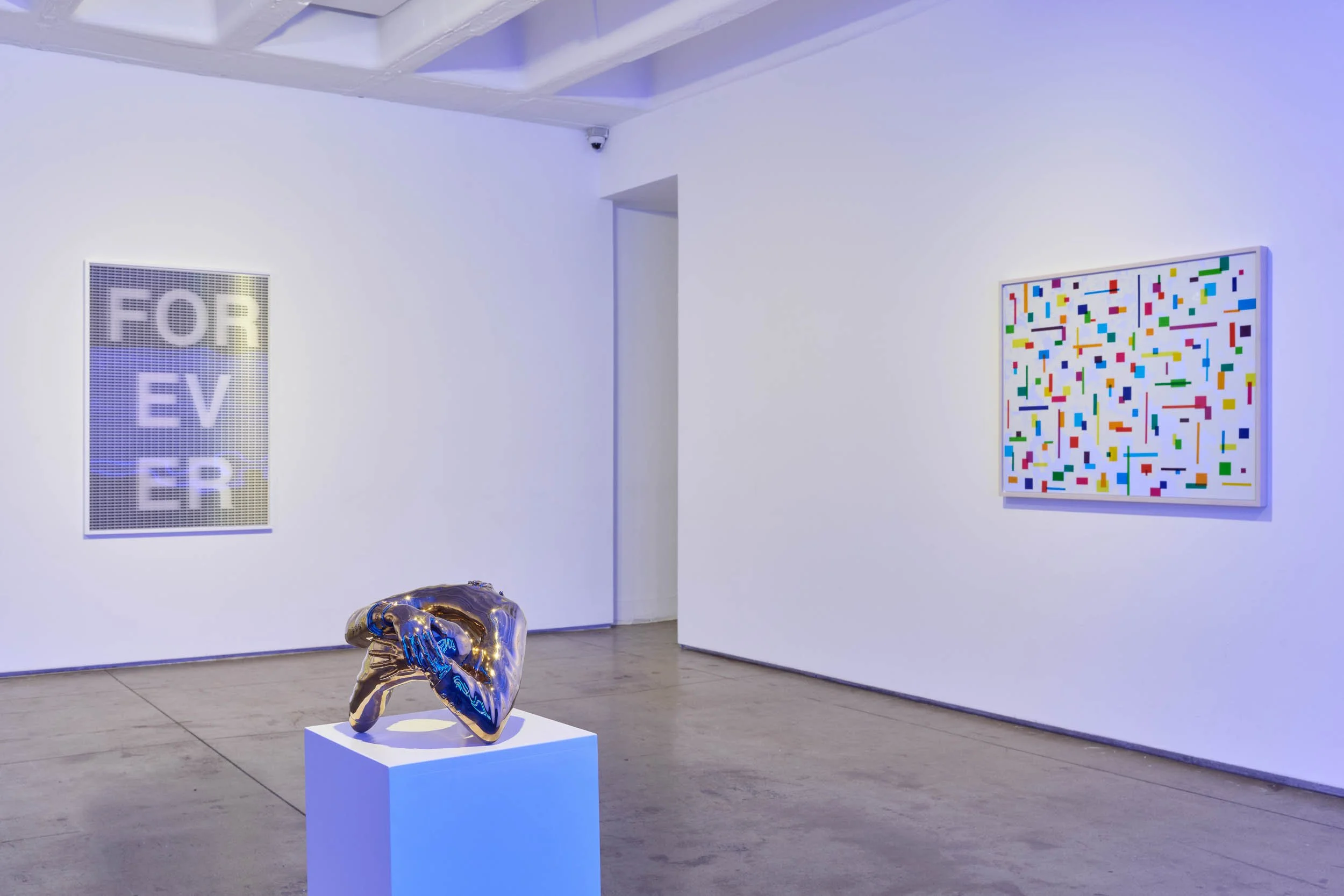
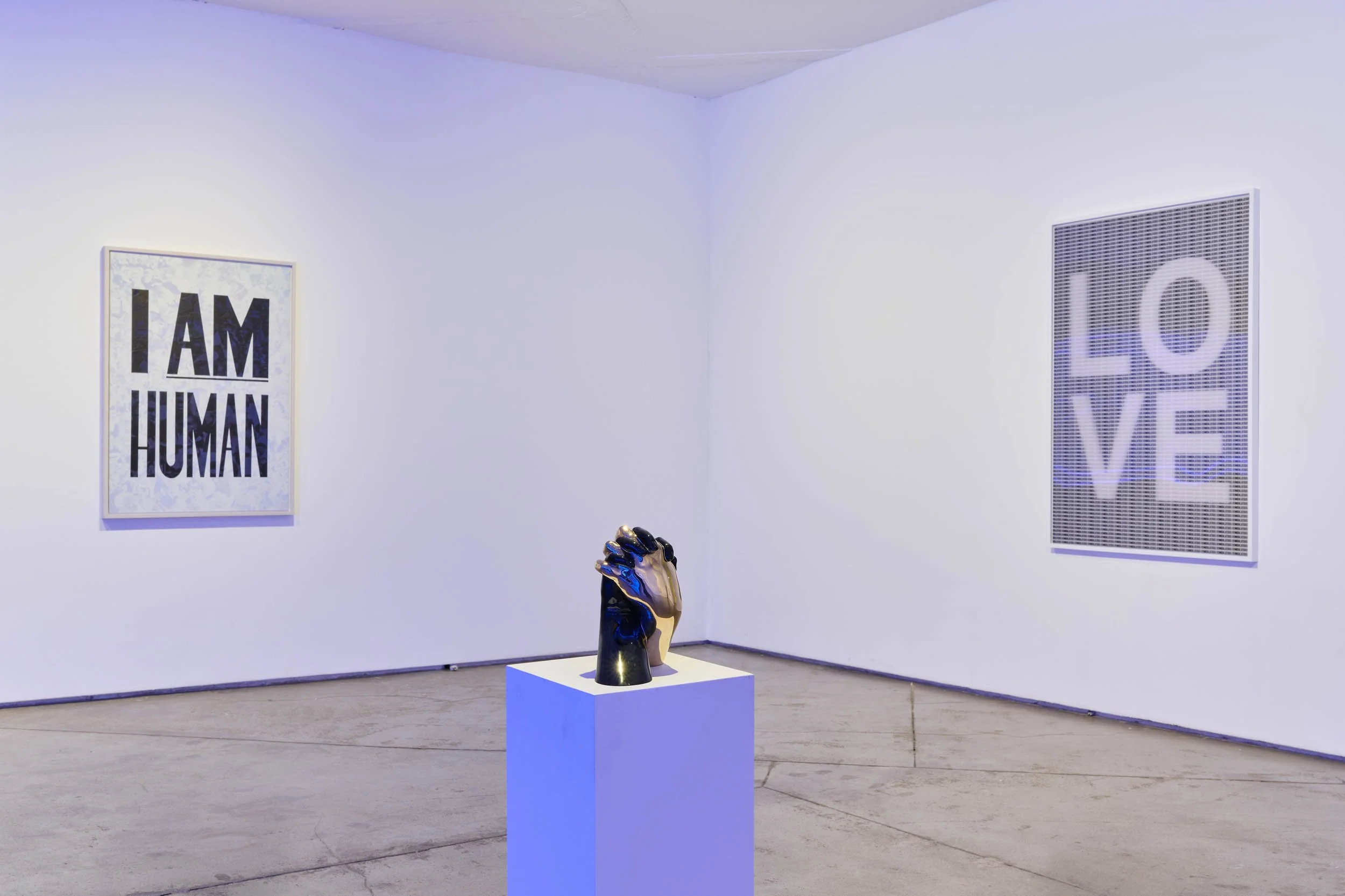
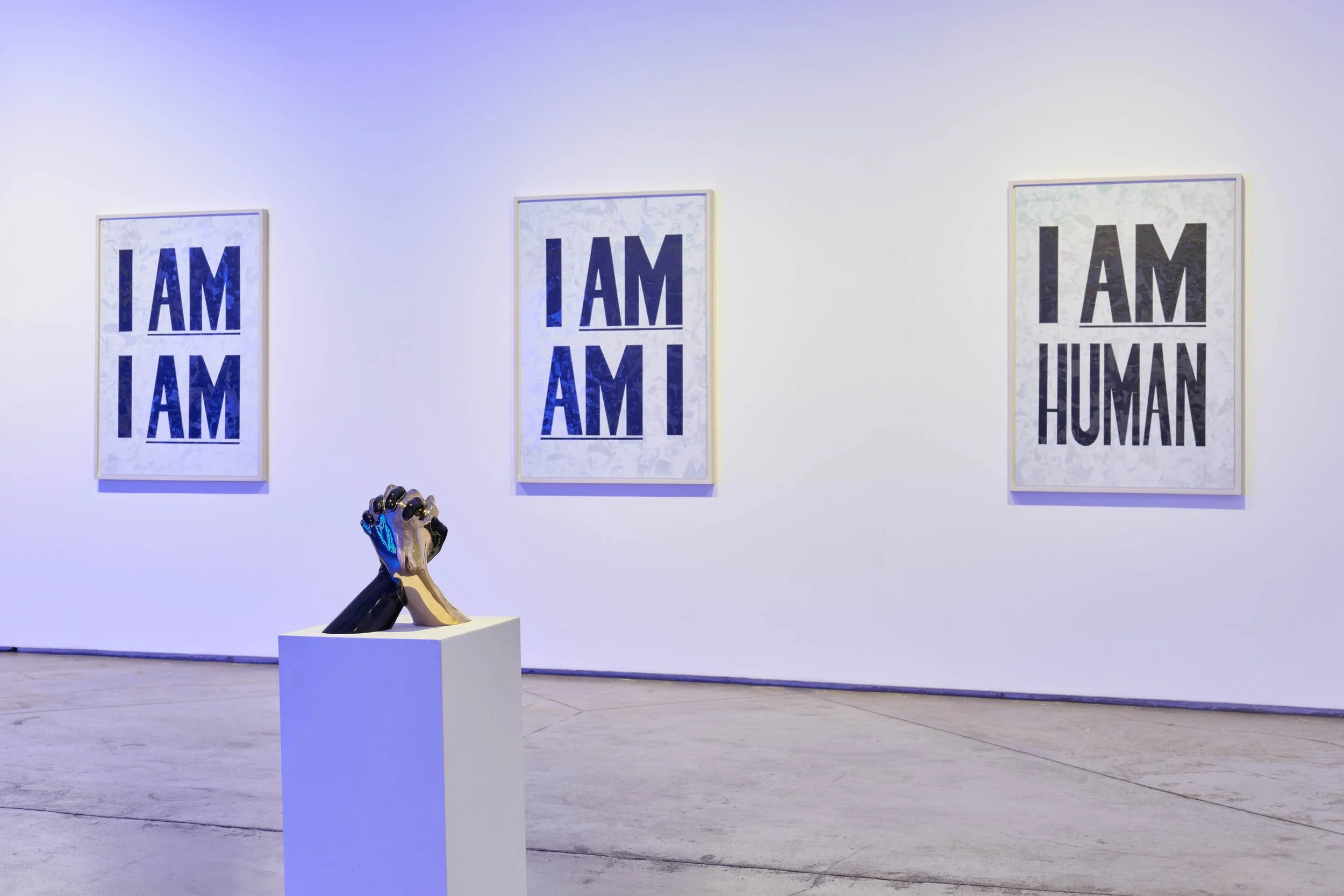
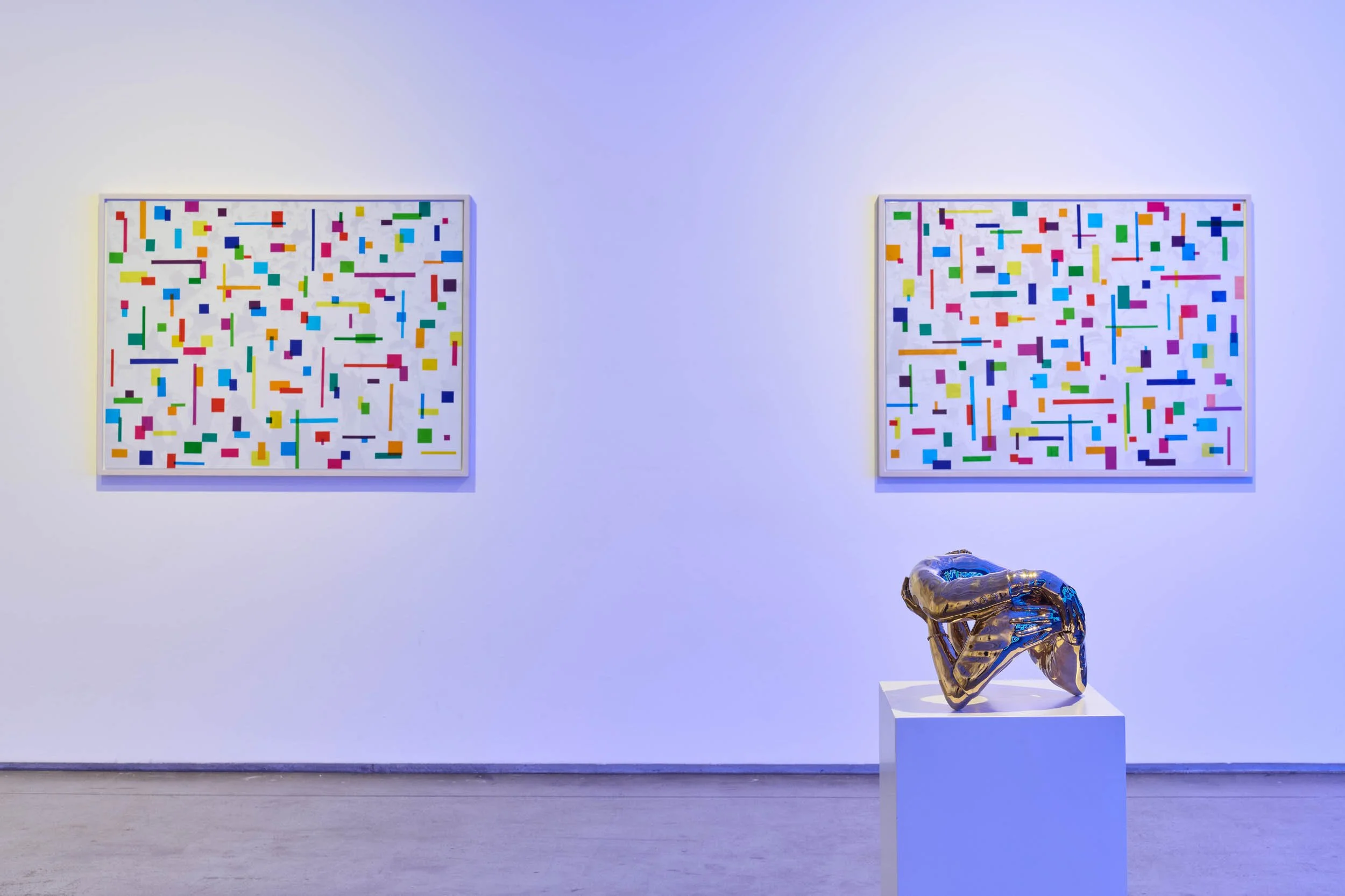
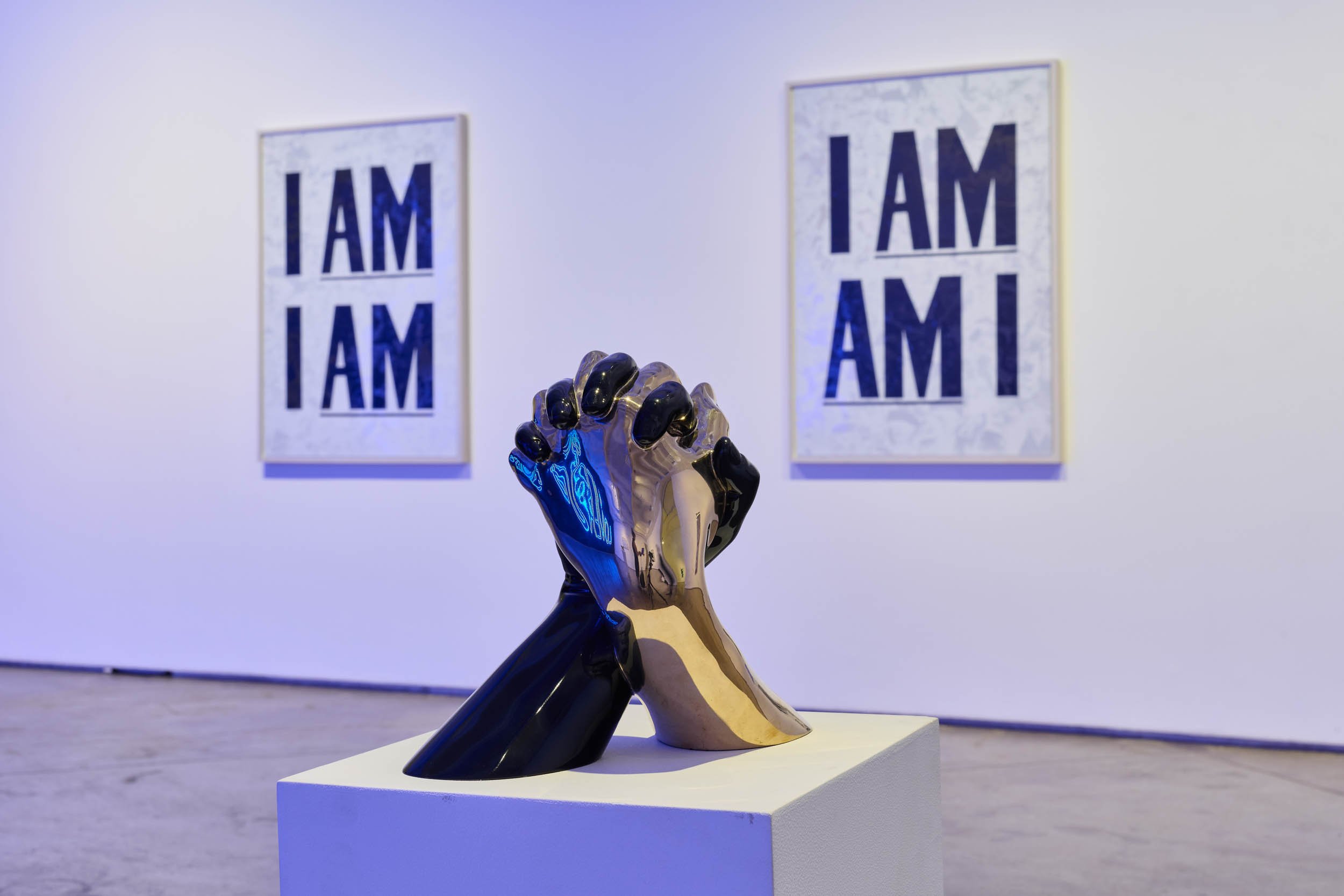
For his first solo exhibition with Goodman Gallery in South Africa in over a decade, Hank Willis Thomas presents new works that probe how we see, remember, and participate in shared histories. The exhibition brings together text-based lenticular works and retroreflective pieces collaging archival visuals, alongside sculptural and installation works that speak to Thomas’s broader public-art practice and his ongoing interest in recontextualising familiar forms.
As with his debut Johannesburg exhibition, History Doesn’t Laugh, Thomas approaches the South African context with deliberate care, setting the African-American experience in conversation with South Africa’s own histories of struggle, aspiration, and visual culture. Forever Now offers South African audiences a rare encounter with an artist who has become a defining figure in public art across America, while opening new points of connection across geographies and generations.
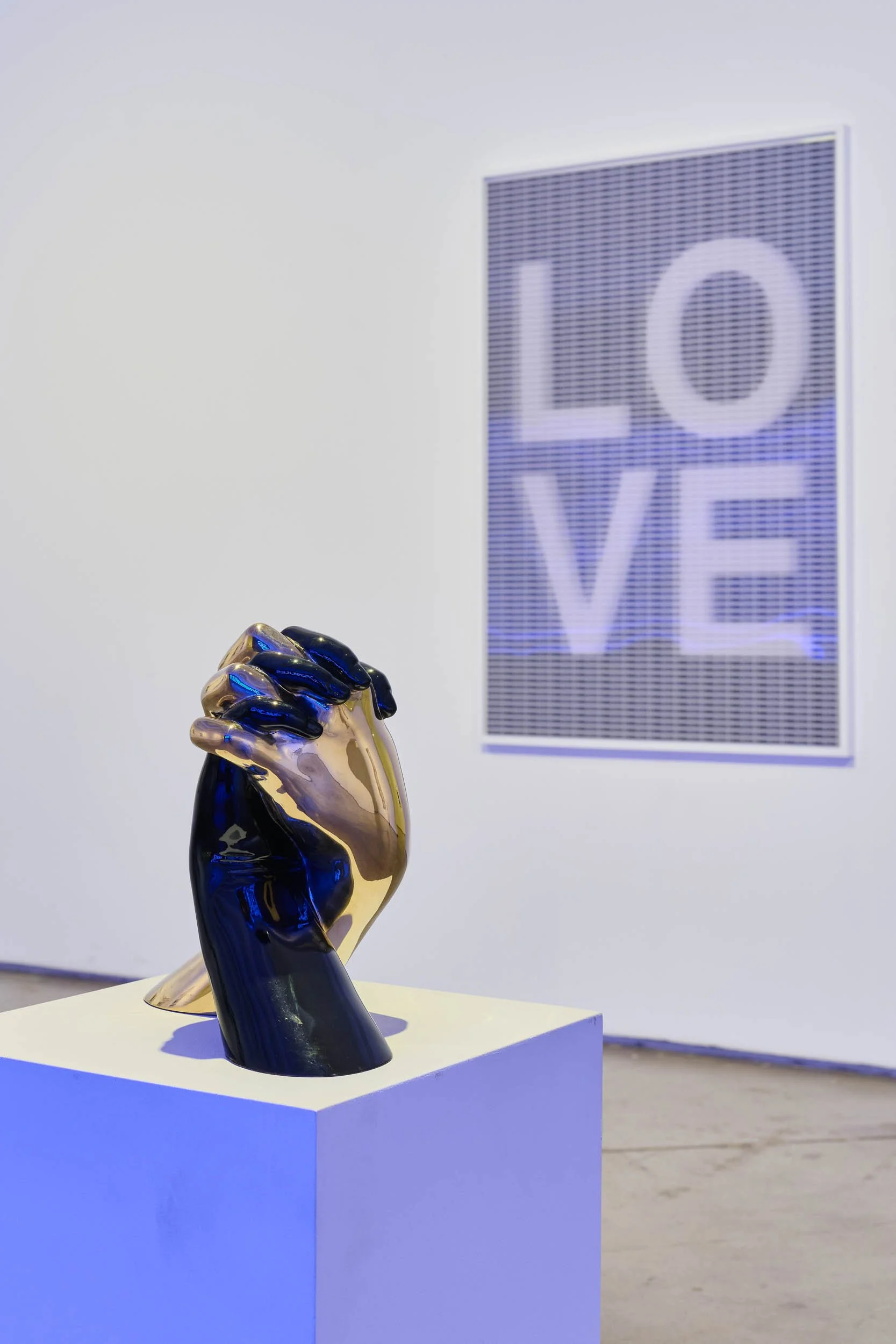
“Love comes more naturally to the human heart than its opposite,” Nelson Mandela once wrote – an idea that reverberates throughout Thomas’s practice. Thomas has long spoken of the enduring power of love and its extraordinary impact, often describing his work as a “call to action, or call to love.” This idea anchors the exhibition and becomes particularly visible in a major new variation of his iconic work Love Rules. Honouring his cousin Songha Willis, who was murdered in Philadelphia in 2000, the illuminated sculpture cycles through shifting letters to form different messages of love, including “love over rules,” echoing Wilis’ last recorded message. Installed publicly at the Brooklyn Museum in another iteration, Love Rules (Horizon Blue) proposes love as a mutable force shaped by circumstance and collective will.
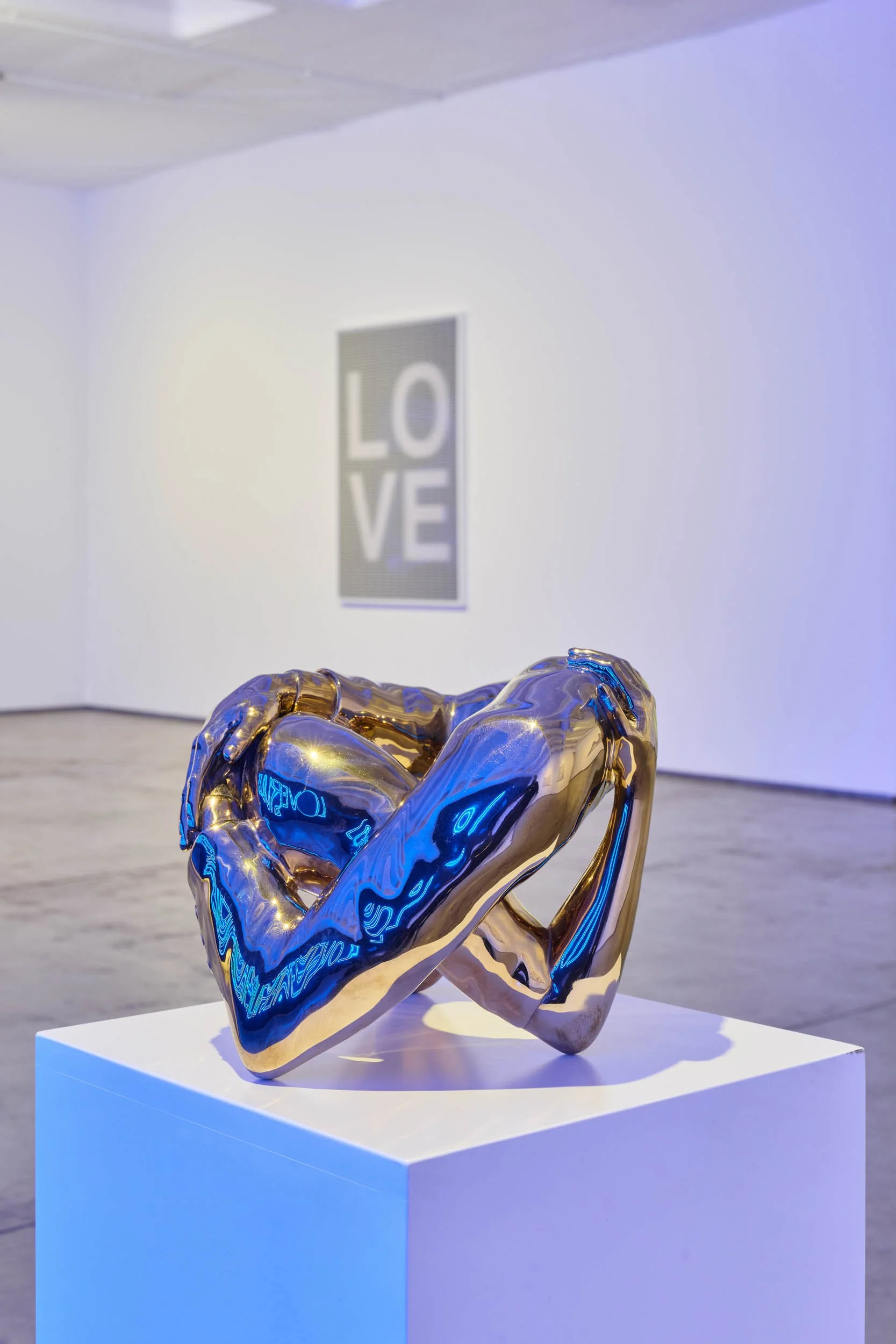
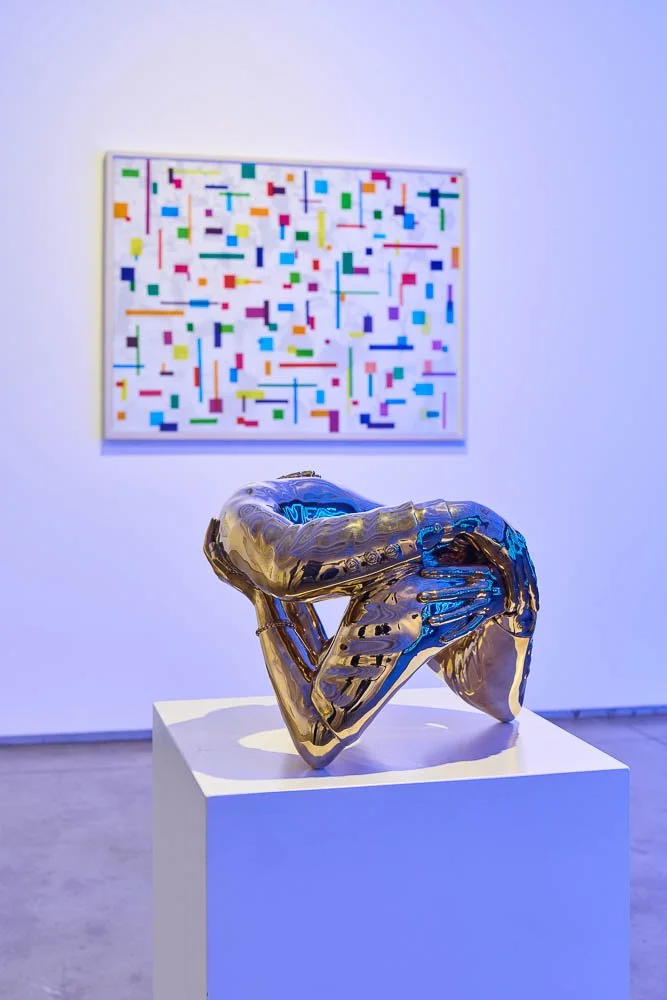
Sculptural works further advance Thomas’s commitment to articulating connection, unity, and shared humanity. The Embrace derives from the artist’s permanent memorial to Dr. Martin Luther King Jr. and Coretta Scott King on Boston Common and presents intimacy as a powerful container for collective action. Works such as “we wanted to come home.” and Reach extend this focus, isolating fleeting physical interactions to consider how identity, perseverance, and community are held within the body.
In Silver Lining (2025), Thomas adapts a work honouring the so-called “Greatest Generation” and “Silent Generation” in the United States – audiences who witnessed Dr King’s “I Have a Dream” speech. In the South African version, an image of the crowd listening to Nelson Mandela following his release becomes the point of resonance. Today, that moment carries layered meanings: for some, a symbol of hard-won possibility; for others, particularly younger generations facing persistent inequality, a reminder of unfulfilled promises. Across both contexts, Thomas reflects on how communities endure division, fear, and profound political shifts, and how their collective presence continues to shape the world we inherit.
In this exhibition, Thomas eloquently meditates on time, memory and perception through visual culture, abstraction and language – encapsulated in the work from which the show takes its title, a lenticular image layering FOREVER over a field of repeating NOW.
Thomas says, "Love is a verb of action. Its meaning goes beyond the romantic idea of it. Love is an invitation to people to stand up and be generous every day of their lives. It is not an action of receiving, but rather an action of giving. My question is what you do to give love? How love is breaking the rules you have in your life?"